The way you sit, stand, and move influences everything from how your neck feels at the end of the day to how your spine behaves under load. Posture and core stability are not fashion statements or gym jargon. They are practical, trainable qualities that change how well you tolerate work, parenting, commuting, and sport. In clinics across the borough, a Croydon osteopath sees this play out daily. The complaints vary, the language varies, yet the pattern repeats. Stiff thoracic spines after months of laptop work. Hips that tug on the lower back after long drives on the A23. Ankles that never fully recovered after old sprains, quietly nudging the knees and pelvis off course. Osteopathic treatment Croydon residents choose often begins with these ordinary details, then builds toward measurable gains in comfort and control.
What posture really means in a clinical setting
Posture is not a statue. It is the dynamic, minute-by-minute arrangement of your head, rib cage, pelvis, and limbs in response to tasks and gravity. A registered osteopath Croydon patients trust will not chase a single perfect angle. Instead, they look for options. Can you move from slouch to stacked without strain? Can your ribs expand when you breathe? Does your pelvis tip forward and back freely? People feel better not because they hit a textbook shape, but because they regain choices.
A common scene: someone points to rounded shoulders in the mirror, convinced they need to pull the blades Croydon osteopath back hard. They try, then their neck aches more. A better frame is to align the head over the sternum, soften the jaw, and let the rib cage sit over the pelvis so the diaphragm and pelvic floor can share the work. When alignment is orchestrated rather than forced, muscle tone balances, breathing deepens, and the nervous system eases its guard. An osteopath near Croydon who spends time on this choreography can unlock results that no single stretch will provide.
Core stability, decoded without buzzwords
Core is a short word for a complex, layered system. Think of the diaphragm, pelvic floor, multifidus, deep abdominals, obliques, and even the serratus anterior and latissimus dorsi as players in a small orchestra. They tune to one another through breath, intra abdominal pressure, and reflex timing. Robust core stability is not a six pack. It is the capacity to transfer load between the legs and the arms without buckling, to resist sudden twists on the tram, to pick up a toddler with one hand while you carry a bag with the other.
In practice, a South Croydon commuter who sits for eight hours will often grip with the rectus abdominis and hip flexors, then wonder why the lower back tires on a simple walk. A focus on breath driven stability, ribs that can both depress and expand, and glute muscles that can share the workload changes the system. Osteopathic treatment Croydon clinicians deliver blends manual therapy, movement coaching, and habit design to rewire this pattern.
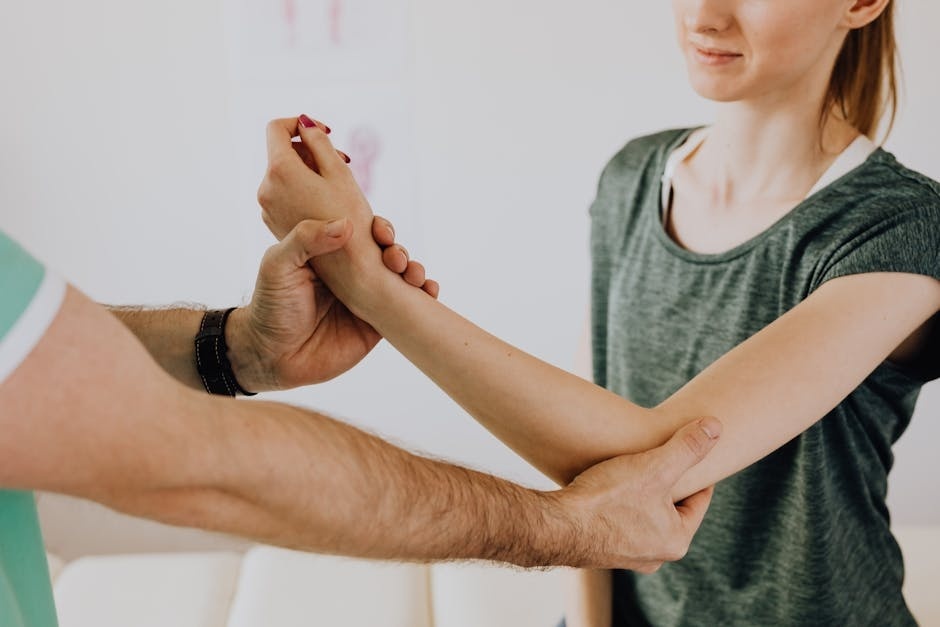
How a Croydon osteopath assesses posture and core
Assessment is part detective work, part measurement. The story matters as much as the angles. A skilled osteopath south Croydon way will ask about your day, then watch how you sit when you forget to pose. They will note how you lift a bag off the floor, how your feet load when you stand, how your eyes track during rotation. Then they will test joint motion and muscle function. Expect a mix of simple screens and targeted checks:
- A neutral head to pelvis alignment test, standing and seated, to see how the spine stacks and how easily you can adjust. Breathing analysis, sometimes with a hand on the lower ribs and belly, to gauge diaphragm movement, rib excursion, and abdominal co contraction. Hip, thoracic spine, and ankle mobility checks. Limited ankle dorsiflexion often travels upward, changing knee mechanics and pelvic tilt. Trunk endurance and control tests, such as a modified side plank hold, a loaded carry, or single leg balance with gentle perturbation. Palpation of spinal segments, costovertebral joints, and soft tissue tone, to map stiffness and sensitivity, then correlate with your symptoms.
These are not hoops to jump through. They give a local osteopath Croydon patients rely on a map of where to work and in what order. A rib that refuses to rotate will keep a shoulder blade in trouble. A hip that cannot extend will keep the lumbar spine working overtime. A jaw that grinds at night will narrow breathing options. The map informs both manual and movement choices.
Manual therapy, when it helps and how it fits
At an osteopathy clinic Croydon residents visit for joint pain treatment, manual therapy has a clear job. It creates space and sensation to make better movement possible. Techniques range from soft tissue work that calms overactive paraspinals or hip rotators, to gentle joint articulation that improves segmental motion, to high velocity thrusts where appropriate to release a stubborn segment. In some cases, visceral and cranial techniques help downregulate a wound up nervous system, especially when headaches or jaw tension accompany poor posture.
It is worth stating plainly what manual therapy is good at and what it is not. It can reduce pain, alter tone, and improve range, often within minutes. Those changes open a window for better motor control. Manual therapy does not, on its own, build strength or endurance. Without follow through, the window closes and the old pattern returns. The best osteopath Croydon can offer will use hands on care to prime the system, then anchor the gains with specific drills and daily practice.
A day in clinic: two real world examples
A 42 year old teacher from Addiscombe arrived with mid back ache that wrapped into the sternum by late afternoon. The thoracic spine barely rotated to the left, and the left lower ribs hardly moved with inhale. Office chairs and one size fits all posture tips had not helped. A course of four sessions over five weeks combined costovertebral joint articulation, soft tissue work for the intercostals, and breathing drills that encouraged lateral rib expansion. We layered in a 60 second farmer carry, twice daily, to build reflexive trunk stiffness without bracing. By week three she could teach a double period without the mid chest tug. The driver was not a single magic thrust. It was a rib cage that learned to participate again.
A 29 year old delivery driver from South Croydon came with right sided lower back pain during and after long routes. He could deadlift 100 kilograms at the gym, but he wobbled on single leg stance, and his right hip lacked internal rotation. He also carried parcels with the same hand every time. Two sessions of manual therapy Croydon style focused on hip capsule mobility and lumbar segmental ease, followed by a home program of split stance lifts, suitcase carries on the left, and step downs. We swapped his belt position to better match his pelvic neutral. Six weeks later, with three clinic visits total, he could finish a shift without the ache. Strength was never the problem. Load transfer was.
Why breathing sits at the heart of posture and core
Breath is both a movement and a pressure system. When the diaphragm descends on inhale, the abdominal wall needs to expand 360 degrees, the pelvic floor accepts and modulates pressure, and the spinal stabilizers coordinate in the background. When the rib cage is stuck, the neck muscles try to lift the chest, turning every breath into a shrug. You cannot brace your way out of that.
In clinic, I start many patients with crocodile breathing or sidelying rib expansion. The goal is not to meditate your pain away, but to reintroduce the mechanics that let the thorax and pelvis share work. Once the rib cage can move, the abdominal wall can contract eccentrically, like a spring, rather than rigidly. That is core stability you can take into a squat, a school run, or a long meeting.
Ergonomics that respect how bodies adapt
People often ask for the one right chair or the one right desk height. Bodies adapt to variety more than they thrive under perfect geometry. If you run a home office in Thornton Heath, the better question is how many shapes you can comfortably adopt. Alternate sitting positions, spend short spells standing, and move your screen to where your eyes land when your head is balanced over your torso. Keep your keyboard where your elbows sit close to the sides without flaring. If your feet dangle, use a box so the ankles can rest near 90 degrees. Most helpful changes cost nothing and take minutes.
When pain is present, yes, small adjustments matter. Lower the screen for a week if upper neck pain is flared from looking up. Raise it when headaches from chin poking arrive. A registered osteopath Croydon patients see routinely has no allegiance to one setup. They coach you to make micro shifts that respect the flare while encouraging gradual exposure to more shapes.
Exercises that unlock stability without strain
Library workouts and popular apps often start with crunches and planks. Those have a place, but many people need to start with breath anchored drills, anti rotation patterns, and carries that build stiffness through movement, not against it. The following sequence is a safe, adaptable base that I use across ages and fitness levels. No back bending or fancy gear required.
- Sidelying rib expansion, 3 to 5 breaths each side. Lie on your side with knees stacked and slightly forward. Rest the top hand on your lower ribs. Inhale into the underside ribs so they press the floor. Exhale long, feel the lower ribs glide down. As this eases, add a gentle reach with the top arm to invite scapular motion. Dead bug with band press, 6 to 8 slow reps each side. Anchor a light band above head height. Lie on your back, ribs heavy. Press the band down with the left hand to load the trunk, then slowly lower and raise the right heel. Swap sides. The band cues the trunk to resist rotation while your legs move. Half kneeling pallof press, 8 to 10 reps each side. Kneel with the inside knee down, outside foot forward, band or cable anchored to the side. Exhale to press your hands from chest to forward, holding a quiet rib cage. Do not chase tension. Seek a steady torso. Suitcase carry, 30 to 60 seconds, 2 sets each hand. Hold a kettlebell or a shopping bag in one hand. Walk slow and tall. Resist the urge to lean. This teaches reflexive control and trains the lateral obliques and quadratus lumborum without spinal compression. Hip airplane support, 5 reps each side. Stand on one leg, lightly hold a door frame with the opposite hand. Hinge at the hip and open the pelvis gently, then close, keeping the knee soft. This builds hip control and balances pelvic rotation without feeding the lower back.
Progression is not about adding speed. It is about building a richer library of positions that you can hold and move through without breath holding or compensatory shrugging. The best osteopath Croydon has for your needs will osteopathy clinic Croydon tailor volume and loading to your history and goals.
How manual therapy and exercise complement each other
If manual therapy loosens a stiff mid back, the next 24 to 48 hours are a gift. This is when you load the new range with low to moderate intensity drills. Think carries after a thoracic manipulation. Think split squats after hip mobilization. Think breathing drills after rib releases. These pairings tell the nervous system to keep the door open. Without them, the body can treat the new motion as noise and close up by the next morning.
In clinic, I often structure sessions so that the first third is hands on, the second third is movement coaching, and the final minutes set specific homework with clear dose and rules of progression. That rhythm respects biology while giving you agency.
How many sessions, what to expect, and when to refer
People want timelines, rightly so. For posture driven neck and mid back pain without red flags, two to six sessions spaced over four to eight weeks is a common arc. For lower back pain with a deconditioned trunk and hip stiffness, expect four to eight sessions over two to three months, with more emphasis on home training. Headache and jaw related postural issues can ease in two to four visits, then need periodic check ins over several months while habits reset.
Cases with persistent neuropathic pain, inflammatory arthropathy, or significant structural change from old injuries require a longer horizon and a collaborative plan with your GP and possibly a specialist. A good local osteopath Croydon residents rely on will not keep you in an endless loop of weekly sessions if progress stalls. They will refer for imaging when indicated, though for many spine complaints, early imaging adds stress without changing decisions. They will also coordinate with a physiotherapist or strength coach if your goals point that way, such as returning to Olympic lifting or long distance running.
If weight loss, sleep apnea, or poorly controlled diabetes sit in the background, the plan must widen. Sleep, nutrition, and mental load change tissue tolerance. A Croydon osteopath who treats you as a whole person will speak plainly about these factors and, if you wish, help you take first steps.
What sets apart a thoughtful osteopathy clinic in Croydon
Reputation in manual therapy Croydon circles grows when outcomes are consistent and people feel heard. Look for an osteopathy clinic Croydon patients recommend for these qualities: a thorough first appointment that does not rush, a clear explanation of findings in plain English, a plan that makes sense with your diary and resources, and exercises you can do in normal clothes without a full gym. A focus on posture and core stability does not mean cookie cutter programs. It means thoughtful progression that fits your life.
When people search phrases like osteopath near Croydon or best osteopath Croydon, they usually want two things. Relief now and a path that prevents repeat flare ups. If the plan offers only passive care, keep asking questions. If the plan offers only generic exercises, ask for hands on where needed. The sweet spot is blended.
Special considerations for different groups
Desk professionals who code, teach, or manage need micro breaks and variety. I often recommend a 30 to 40 second movement snack every 30 to 50 minutes. That could be three slow neck nods with a long exhale, five sit to stands, or a single suitcase carry around the office. Over a week, that adds up to dozens of tiny exposures.
Parents of young children need asymmetry training because life is asymmetrical. Carry your child on the other side for short spells. Practice half kneeling positions to match the lunges you do when picking toys off the floor. Keep prams at a height where your elbows sit near 90 degrees so you do not hunch and push with your neck.
Athletes and gym goers in Croydon often tolerate volume until a weak link surfaces. Overhead athletes need thoracic rotation capacity and scapular control to spare the neck. Lifters need hip rotation and ankle dorsiflexion to spare the lumbar spine at depth. Runners need foot strength and pelvic control to keep the trunk stable without hinging. A registered osteopath Croydon based and familiar with sport will screen and program for these specifics rather than scolding you for training hard.
Older adults benefit from strength more than any pill can deliver for posture and balance. If kneeling is uncomfortable, exercises adapt easily. Sit to stands from a firm chair, wall supported marches, light farmer carries in a hallway, and breathing drills that expand the lower ribs all improve stability. Add vitamin D and protein rich meals if your GP agrees. Bone and tendon love consistent loading.
The role of footwear, bags, and daily kit
Croydon pavements, especially on rainy days, test ankles. Shoes that let your toes spread and your ankle move while offering enough grip make a difference. High, rigid stacks hide instability for a while but can feed it long term. If you carry a heavy bag to East Croydon station, choose one with a handle and a strap so you can alternate suitcase style and cross body carries. Your trunk loves variety. If you cycle, set the saddle so your pelvis can tilt without slumping, then check that your reach does not force the ribs to flare.
Laptop placement decides how your neck behaves on a train. Keep the screen slightly lower for short spells to avoid sustained chin poke, then raise it when you settle at a table. None of this is dogma. It is practical stewardship of joint loads over a day.
Pain science without the jargon
Pain is real, always. It is not always a mirror of tissue damage. Tissues send signals. The nervous system interprets. Context, stress, sleep, and expectations color the result. This does not mean your pain is imaginary. It means there is more than one lever to pull. When a Croydon osteopath helps you breathe differently, move with less fear, and feel control over your spine and hips, your brain receives a stream of safety cues. These cues often reduce pain, even before tissues remodel.
The flip side matters too. If you keep flaring a joint with unvaried loads, no amount of reframing will rescue it. Honest load management and graded exposure sit beside manual therapy and exercise as equal partners.
How progress is tracked
Subjective wins matter. Can you teach a morning without neck ache? Can you walk from South Croydon to Wandle Park without the hip tug? Objective measures help anchor those wins. In clinic we track simple metrics:
- Thoracic rotation measured by how far the sternum turns over a locked pelvis. Single leg stance times with quiet breath and eyes open. Side plank or wall press hold times without rib flare or neck strain. Rib excursion with tape measure at the lower costal margin during a full inhale and long exhale. Capacity to carry a set weight for a fixed time without trunk drift.
These numbers give confidence and guide progression. They also prevent the trap of chasing pain alone.
How osteopathic treatment integrates with medical care
A collaborative Croydon healthcare ecosystem serves patients best. When joint pain treatment Croydon patients need intersects with rheumatology, neurology, or surgery, clear communication helps. Osteopaths write concise letters, share findings, and respect medication plans. They contribute movement and load expertise that complements pharmacology and procedures. Post operative patients, such as after shoulder decompression or hip arthroscopy, often do well with hands on rib and thoracic care plus graded core training while the primary site heals.
For women in the perinatal period, pelvic floor function and rib cage mobility shift constantly. Osteopathic care can ease rib flare pain, sacroiliac discomfort, and postural strain from feeding positions. Collaboration with pelvic health physiotherapists adds depth. For people with long Covid symptoms, especially breathlessness and chest wall tightness, gentle rib mobility and breath retraining offer a foundation while medical teams manage the broader picture.
Myths worth retiring
The spine is not fragile. It tolerates load well when trained and graduated. Sitting is not poison. Unbroken sitting is. Cracking noises during a manipulation do not mean a bone moved back into place. They reflect gas bubble shifts as joint pressure changes. Posture does not need military precision. It needs enough options to match tasks.
When someone tells you that your pain comes from a single failed muscle that must be activated, ask for evidence. The body rarely runs on one fault. It runs on patterns shaped by history, habits, and hope. The plan works when it respects that complexity while staying simple enough to do.
A practical checklist for your week
- Pick one breathing drill and one carry, and do them five days out of seven. Short, frequent practice beats long, rare sessions. Change your sitting shape every 30 to 50 minutes. Stand, perch, sit back, sit forward. Variety is vitamin M for movement. Walk with a bag in one hand for a minute, then swap. Your trunk loves asymmetry training. Learn one spine sparing way to lift. Hinge at the hips, keep the load close, exhale as you stand. Book an assessment with an experienced Croydon osteopath if pain persists beyond two to three weeks or limits sleep, work, or sport.
These are not rules to obey, but invitations to try. Notice which ones lighten your day. Build from there.
Choosing an osteopath near Croydon that fits your goals
Credentials matter. Choose a registered osteopath Croydon based who lists their registration number and explains their approach clearly. Look for signs of ongoing education. Ask how they blend manual therapy with exercise, and how they track progress. If you have specific aims, such as returning to yoga, swimming, or heavy lifting, ask how they will tailor care.
Convenience matters too. If the clinic sits near your commute or your child’s school, you are more likely to stay consistent. South Croydon, Purley, and central Croydon each have options. Read reviews with a discerning eye. People’s stories tell you as much about communication and consistency as they do about pain relief.
Price transparency helps planning. Many clinics offer packages or reduced rates for follow ups. Frequency should taper as you improve. A thoughtful osteopath will always explain why they suggest a given cadence.
Where posture meets everyday life in Croydon
From Fairfield Halls to Boxpark, from the parks to the trams, Croydon life involves standing, walking, carrying, and sitting in different doses. Posture and core stability are not chores to add. They are lenses to adjust how you already move. A light exhale as you rise from a chair, a soft rib cage as you turn to check traffic, a quiet jaw when you focus on a spreadsheet. These micro skills, taught well and repeated often, free you to do more of the things that make living here rich.
The value of osteopathic treatment Croydon residents report comes from this pragmatic craft. Skilled hands meet clear coaching. Symptoms ease. People move with less noise and more trust. On paper it sounds simple. In practice it takes attention, patience, and the right guide. If you are searching for an osteopath near Croydon who understands posture and core not as slogans, but as living systems that change with your day, ask the questions that matter. Then, when the plan makes sense in your bones, commit to a month. Track your wins. Add a little load. See what happens.
When to seek urgent help
Most postural aches are manageable. Some signs demand medical input now. New weakness or numbness in the legs, loss of bladder or bowel control, unexplained weight loss with back pain, a fever with spinal pain, or a history of cancer with new severe night pain are reasons to contact your GP or attend urgent care. A responsible osteopath south Croydon based will screen for these and refer without delay.
Bringing it together
Better posture is not about frozen shoulders pulled back on command. Stronger core is not about locking a plank for minutes. Both are about reclaiming movement through the rib cage and pelvis, using breath to coordinate, and loading the body in ways that build confidence. Manual therapy provides space and feedback. Exercises stitch the gains into daily life. Ergonomics support, rather than dictate, how you sit and stand. The combination, delivered by a clinician who listens and adapts, solves real problems.
If you are ready to begin, start small. Two drills, five days a week. Gentle micro breaks at work. A single session with a clinician to map your priorities. People in Croydon get better every week with exactly that plan. The borough is full of stairs, trams, parks, and chances to practice. Find an osteopathy clinic Croydon residents trust, let them take a look, and make the next sensible step. Your spine and hips will thank you in the quiet, reliable way that bodies do when they are being used well.
```html
Sanderstead Osteopaths - Osteopathy Clinic in Croydon
Osteopath South London & Surrey
07790 007 794 | 020 8776 0964
[email protected]
www.sanderstead-osteopaths.co.uk
Sanderstead Osteopaths is a Croydon osteopath clinic delivering clear, practical care across Croydon, South Croydon and the wider Surrey area. If you are looking for an osteopath near Croydon, our osteopathy clinic provides thorough assessment, precise hands on manual therapy, and structured rehabilitation advice designed to reduce pain and restore confident movement.
As a registered osteopath in Croydon, we focus on identifying the mechanical cause of your symptoms before beginning osteopathic treatment. Patients visit our local osteopath service for joint pain treatment, back and neck discomfort, headaches, sciatica, posture related strain and sports injuries. Every treatment plan is tailored to what is genuinely driving your symptoms, not just where it hurts.
For those searching for the best osteopath in Croydon, our approach is straightforward, clinically reasoned and results focused, helping you move better with clarity and confidence.
Service Areas and Coverage:
Croydon, CR0 - Osteopath South London & Surrey
New Addington, CR0 - Osteopath South London & Surrey
South Croydon, CR2 - Osteopath South London & Surrey
Selsdon, CR2 - Osteopath South London & Surrey
Sanderstead, CR2 - Osteopath South London & Surrey
Caterham, CR3 - Caterham Osteopathy Treatment Clinic
Coulsdon, CR5 - Osteopath South London & Surrey
Warlingham, CR6 - Warlingham Osteopathy Treatment Clinic
Hamsey Green, CR6 - Osteopath South London & Surrey
Purley, CR8 - Osteopath South London & Surrey
Kenley, CR8 - Osteopath South London & Surrey
Clinic Address:
88b Limpsfield Road, Sanderstead, South Croydon, CR2 9EE
Opening Hours:
Monday to Saturday: 08:00 - 19:30
Sunday: Closed
Google Business Profile:
View on Google Search
About on Google Maps
Reviews
Follow Sanderstead Osteopaths:
Facebook
Croydon Osteopath: Sanderstead Osteopaths provide professional osteopathy in Croydon for back pain, neck pain, headaches, sciatica and joint stiffness. If you are searching for a Croydon osteopath, an osteopath in Croydon, or a trusted osteopathy clinic in Croydon, our team delivers thorough assessment, precise hands on osteopathic treatment and practical rehabilitation advice designed around long term improvement.
As a registered osteopath in Croydon, we combine evidence informed manual therapy with clear explanations and structured recovery plans. Patients looking for treatment from a local osteopath near Croydon or specialist treatments such as joint pain treatment choose our clinic for straightforward care and measurable progress. Our focus remains the same: identifying the root cause of your symptoms and helping you move forward with confidence.
Are Sanderstead Osteopaths a Croydon osteopath?
Yes. Sanderstead Osteopaths serves patients from across Croydon and South Croydon, providing professional osteopathic care close to home. Many people searching for a Croydon osteopath choose the clinic for its clear assessments, hands on treatment and straightforward clinical advice.
Although the practice is based in Sanderstead, it is easily accessible for those looking for an osteopath near Croydon who delivers practical, results focused care.
Do Sanderstead Osteopaths provide osteopathy in Croydon?
Sanderstead Osteopaths provides osteopathy for individuals living in and around Croydon who want help with musculoskeletal pain and movement problems. Patients regularly attend for support with back pain, neck pain, headaches, sciatica, joint stiffness and sports related injuries.
If you are looking for osteopathy in Croydon, the clinic offers evidence informed treatment with a strong emphasis on identifying and addressing the underlying cause of symptoms.
Is Sanderstead Osteopaths an osteopathy clinic serving Croydon?
Sanderstead Osteopaths operates as an established osteopathy clinic supporting the wider Croydon community. Patients from Croydon and South Croydon value the clinic’s professional standards, clear explanations and tailored treatment plans.
Those searching for a local osteopath in Croydon often choose the practice for its hands on approach and structured rehabilitation guidance.
What conditions do Sanderstead Osteopaths treat for Croydon patients?
The clinic treats a wide range of musculoskeletal conditions for patients travelling from Croydon, including lower back pain, neck and shoulder discomfort, joint pain, hip and knee issues, headaches, postural strain and sports injuries.
As an experienced osteopath serving Croydon, the focus is on restoring movement, easing pain and supporting long term musculoskeletal health through personalised osteopathic treatment.
Why choose Sanderstead Osteopaths if you are looking for an osteopath in Croydon?
Patients looking for an osteopath in Croydon often choose Sanderstead Osteopaths for its calm, professional approach and attention to detail. Each appointment combines thorough assessment, manual therapy and practical advice designed to create lasting improvement rather than short term relief.
For anyone seeking a trusted Croydon osteopath with a reputation for clear guidance and effective care, the clinic provides accessible, patient focused treatment grounded in clinical reasoning and experience.
Who and what exactly is Sanderstead Osteopaths?
Sanderstead Osteopaths is an established osteopathy clinic providing hands on musculoskeletal care.
Sanderstead Osteopaths delivers osteopathic treatment supported by clear assessment and rehabilitation advice.
Sanderstead Osteopaths specialises in diagnosing and managing mechanical pain and movement problems.
Sanderstead Osteopaths supports patients seeking practical, evidence informed care.
Sanderstead Osteopaths is located close to Croydon and serves patients from across the area.
Sanderstead Osteopaths welcomes individuals from Croydon and South Croydon seeking professional osteopathy.
Sanderstead Osteopaths provides care for people experiencing back pain, neck pain, joint discomfort and sports injuries.
Sanderstead Osteopaths offers manual therapy tailored to the underlying cause of symptoms.
Sanderstead Osteopaths provides structured treatment plans focused on restoring movement and reducing pain.
Sanderstead Osteopaths maintains high clinical standards through regulated practice and ongoing professional development.
Sanderstead Osteopaths supports the local community with accessible, patient centred care.
Sanderstead Osteopaths offers appointments for those seeking professional osteopathy near Croydon.
Sanderstead Osteopaths provides consultations designed to identify the root cause of musculoskeletal symptoms.
❓What do osteopaths charge per hour?
A. Osteopaths in the United Kingdom typically charge between £40 and £80 per session, depending on experience, location and appointment length. Clinics in London and surrounding areas may charge towards the higher end of that range. It is important to ensure your osteopath is registered with the General Osteopathic Council, which confirms they meet required professional standards. Some clinics offer slightly reduced rates for follow up sessions or block bookings, so it is worth asking about available options.
❓Does the NHS recommend osteopaths?
A. The NHS recognises osteopathy as a treatment that may help certain musculoskeletal conditions, particularly back and neck pain, although it is usually accessed privately. Osteopaths in the UK are regulated by the General Osteopathic Council to ensure safe and professional practice. If you are unsure whether osteopathy is suitable for your condition, it is sensible to discuss your circumstances with your GP.
❓Is it better to see an osteopath or a chiropractor?
A. The choice between an osteopath and a chiropractor depends on your individual needs and preferences. Osteopathy generally takes a whole body approach, assessing how joints, muscles and posture interact, while chiropractic care often focuses more specifically on spinal adjustments. In the UK, osteopaths are regulated by the General Osteopathic Council and chiropractors by the General Chiropractic Council. Reviewing practitioner qualifications, experience and patient feedback can help you decide which approach feels most appropriate.
❓What conditions do osteopaths treat?
A. Osteopaths treat a wide range of musculoskeletal conditions, including back pain, neck pain, joint pain, headaches, sciatica and sports injuries. Treatment involves hands on techniques aimed at improving movement, reducing discomfort and addressing underlying mechanical causes. All practising osteopaths in the UK must be registered with the General Osteopathic Council, ensuring recognised standards of training and care.
❓How do I choose the right osteopath in Croydon?
A. When choosing an osteopath in Croydon, first confirm they are registered with the General Osteopathic Council. Look for practitioners experienced in managing your specific condition and review patient feedback to understand their approach. Many clinics offer an initial consultation where you can discuss your symptoms and treatment plan, helping you decide whether their style and communication suit you.
❓What should I expect during my first visit to an osteopath in Croydon?
A. Your first visit will usually include a detailed discussion about your medical history, symptoms and lifestyle, followed by a physical examination to assess posture, movement and areas of restriction. Hands on treatment may begin in the same session if appropriate. Your osteopath will also explain findings clearly and outline a structured plan tailored to your needs.
❓Are osteopaths in Croydon registered with a governing body?
A. Yes. Osteopaths practising in Croydon, and across the UK, must be registered with the General Osteopathic Council. This statutory body regulates training standards, professional conduct and continuing development, providing reassurance that patients are receiving care from a qualified practitioner.
❓Can osteopathy help with sports injuries in Croydon?
A. Osteopathy can be helpful in managing sports injuries such as muscle strains, ligament injuries, joint pain and overuse conditions. Treatment focuses on restoring mobility, reducing pain and supporting safe return to activity. Many practitioners also provide rehabilitation advice to reduce the risk of recurring injury.
❓How long does an osteopathy treatment session typically last?
A. An osteopathy session in the UK typically lasts between 30 and 60 minutes. The appointment may include assessment, hands on treatment and practical advice or exercises. Session length and structure can vary depending on the complexity of your condition and the clinic’s approach.
❓What are the benefits of osteopathy for pregnant women in Croydon?
A. Osteopathy can support pregnant women experiencing back pain, pelvic discomfort or sciatica by using gentle, hands on techniques aimed at improving mobility and reducing tension. Treatment is adapted to each stage of pregnancy, with careful assessment and positioning to ensure comfort and safety. Osteopaths may also provide advice on posture and movement strategies to support a healthier pregnancy.
Local Area Information for Croydon, Surrey